Harper Friedrich · 20 October 2026
Seasonal Shifts in Moss Pigmentation as Indicators of Air Quality Changes Near Industrial Zones
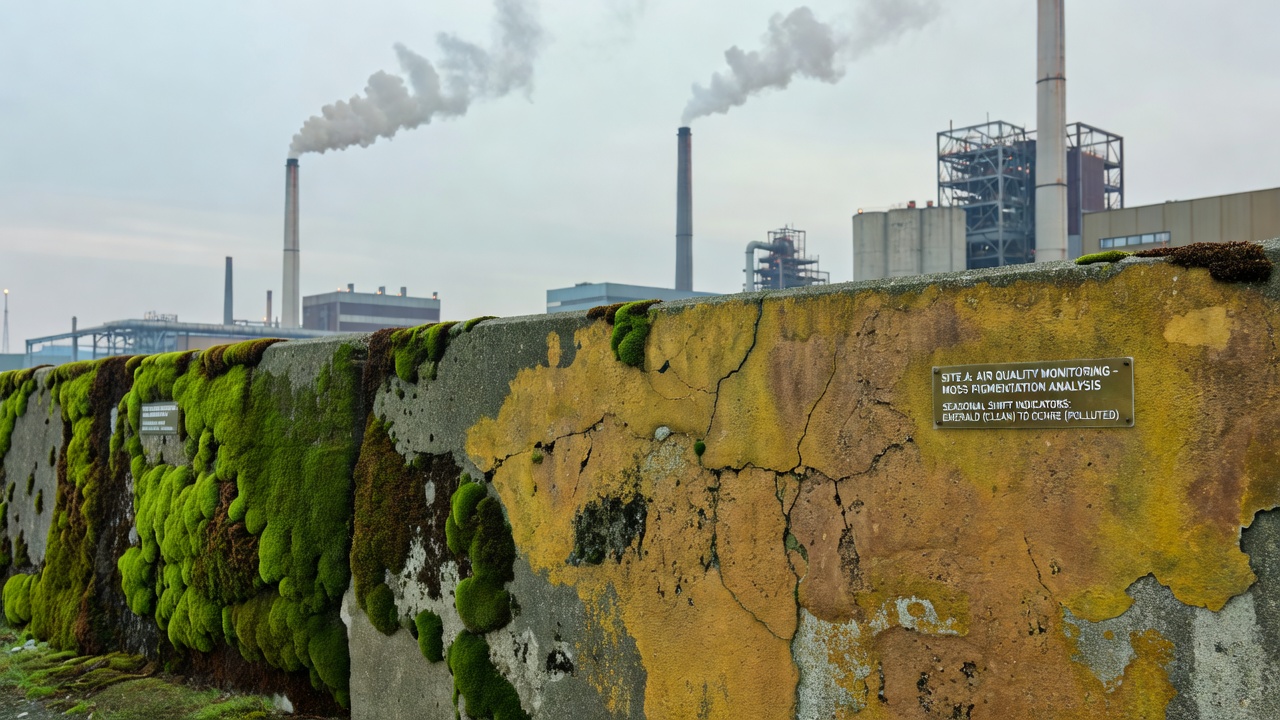
Researchers have documented how moss species such as Hypnum cupressiforme and Bryum argenteum undergo visible pigmentation changes across seasons, and these alterations often correlate with fluctuating pollutant levels in areas adjacent to factories and power plants. Data collected from multiple sites shows that chlorophyll degradation accelerates during autumn months when sulfur dioxide and nitrogen oxide concentrations rise, leading to shifts from vibrant green to yellowish or reddish hues that persist into winter. Observers note these patterns repeat annually, providing a natural record of air quality dynamics without requiring complex equipment for initial detection.
Mechanisms Behind Pigmentation Responses
Mosses absorb atmospheric pollutants directly through their tissues because they lack protective cuticles found in vascular plants, and this exposure triggers biochemical pathways that alter carotenoid and anthocyanin production. Studies indicate that heavy metals like lead and cadmium accumulate in cell walls, causing oxidative stress that reduces green chlorophyll content while increasing protective pigments. In spring, renewed growth often restores baseline coloration in cleaner periods, whereas prolonged exposure near industrial emissions prevents full recovery and leaves residual discoloration visible by early summer.
Seasonal Patterns Observed in Field Studies
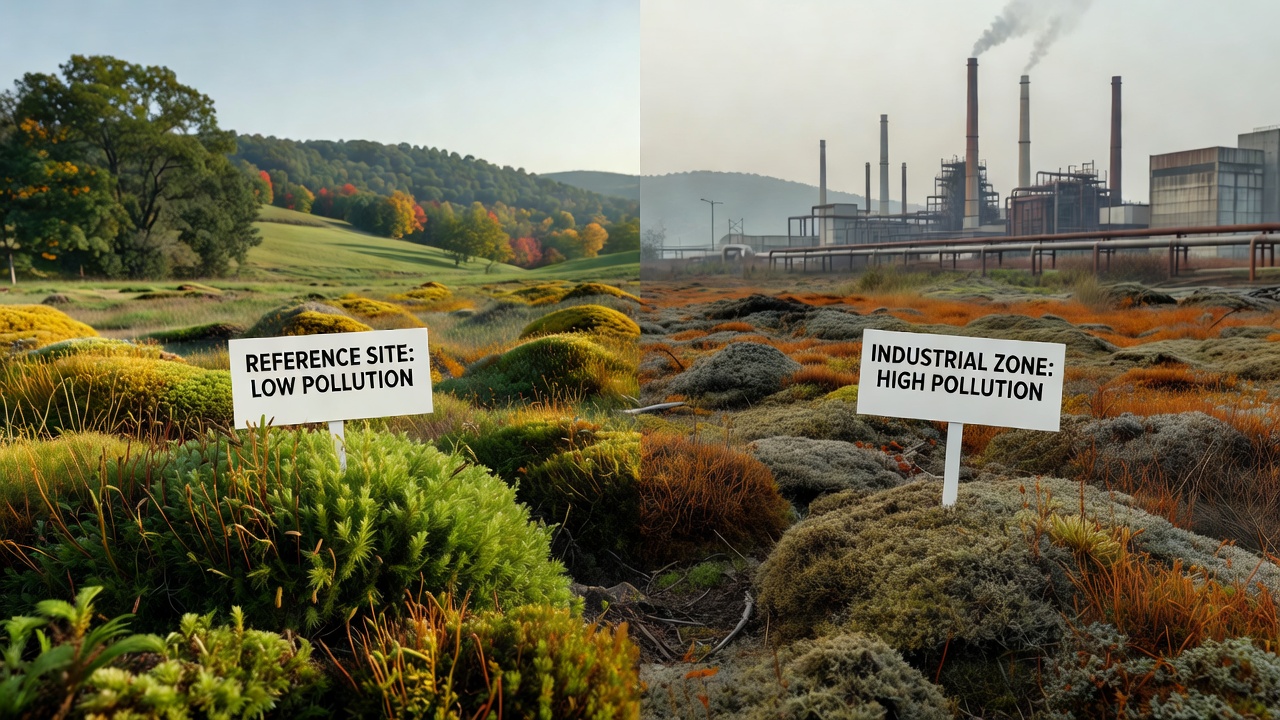
Monitoring programs across European and North American sites reveal consistent trends where pigmentation intensity peaks in October, coinciding with increased particulate matter from heating systems and reduced plant metabolic rates. Researchers tracking these changes in 2026 recorded notable browning in samples collected near steel mills during the first week of that month, with spectral analysis confirming elevated heavy metal deposition compared to control plots located five kilometers away. These shifts serve as early warning signals because mosses respond faster than lichens or higher plants to short-term pollution spikes.
Industrial Proximity Effects
Zones within two kilometers of manufacturing facilities frequently exhibit more pronounced seasonal color transitions than rural reference areas, according to measurements compiled by the European Environment Agency. Emissions of volatile organic compounds interact with seasonal humidity variations, amplifying pigment breakdown during wet autumns when mosses remain physiologically active yet stressed. Data shows zinc and copper levels in tissues rise by up to 40 percent between July and November in high-exposure locations, directly linking visible hue changes to airborne contaminants rather than temperature alone.
Monitoring Techniques and Data Integration
Scientists employ standardized color charts alongside portable spectrophotometers to quantify shifts, allowing comparison across seasons and sites without destructive sampling. Remote sensing approaches using drone imagery now supplement ground surveys, capturing large-scale patterns in October 2026 across industrial corridors in Canada where Environment and Climate Change Canada maintains long-term plots. Integration of moss data with continuous air quality sensors improves accuracy because pigmentation provides a cumulative measure over weeks, whereas instrumental readings capture instantaneous concentrations.
Case examples from Australian monitoring networks demonstrate similar responses near mining operations, where eucalyptus-adjacent mosses transition to coppery tones during dry seasons when dust deposition compounds gaseous pollutants. These observations align with findings from U.S. Geological Survey reports that correlate bryophyte health metrics with regional emission inventories.
Broader Implications for Environmental Assessment
Communities and regulatory bodies utilize moss pigmentation records to prioritize areas for detailed chemical analysis, since visible changes flag locations where pollutant thresholds may have been exceeded. Long-term datasets spanning multiple years indicate that recovery of green coloration occurs within one to two growing seasons after emission reductions, confirming the indicator's responsiveness. International collaboration through networks like the International Cooperative Programme on Effects of Air Pollution on Natural Vegetation and Crops has standardized protocols, enabling cross-regional comparisons that account for climatic differences affecting baseline pigmentation cycles.
Conclusion
Seasonal pigmentation dynamics in mosses near industrial zones supply reliable, low-cost indicators of air quality trends, supported by extensive field measurements and spectral data. Continued observation through 2026 and beyond strengthens the evidence base for using these organisms in routine environmental surveillance programs worldwide.